Education & Standards

Level 7 Diploma in Medical Cupping Therapy

Advanced, clinically focused education for qualified healthcare professionals worldwide.

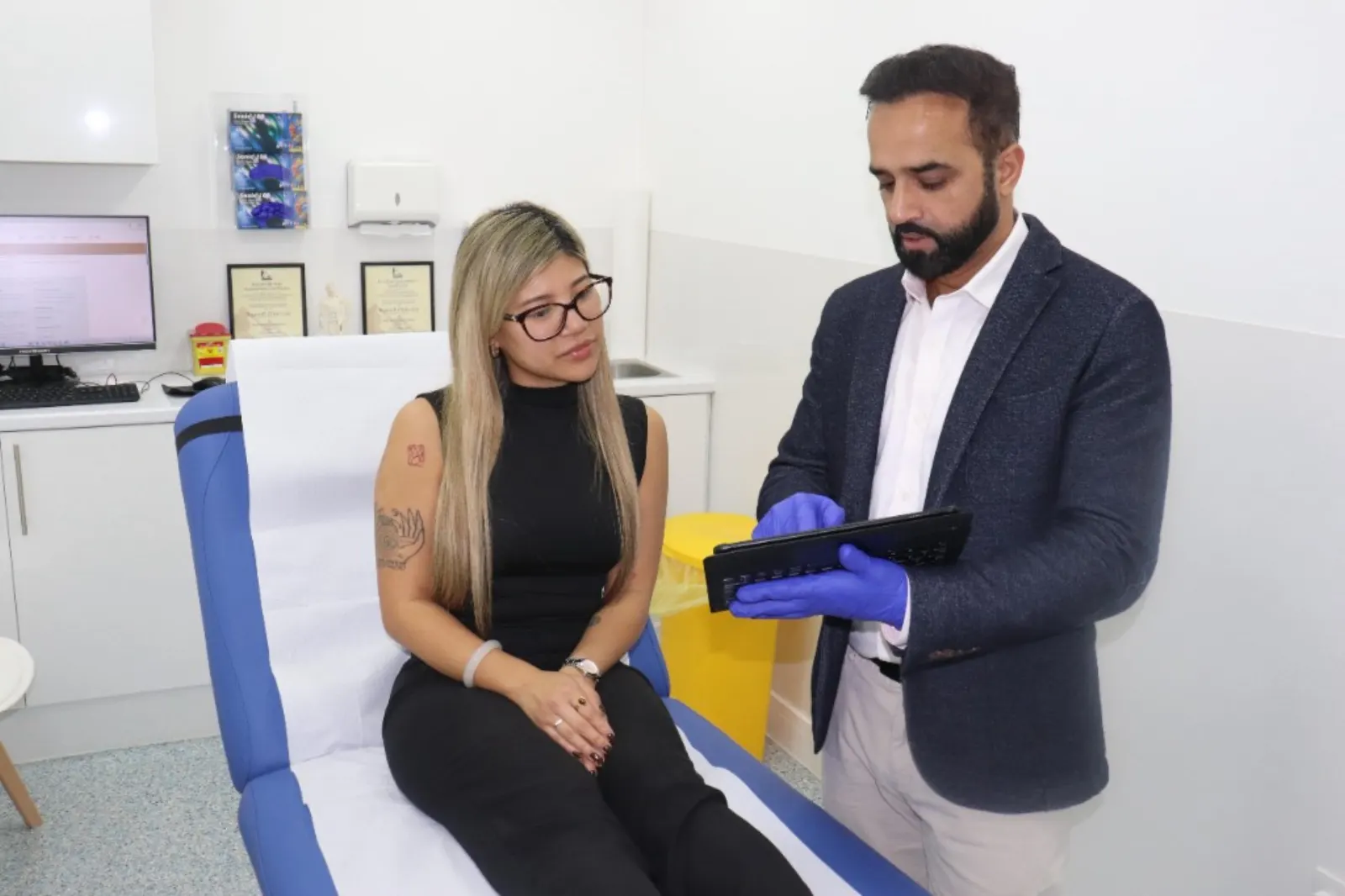
Healthcare professionals observing a supervised cupping therapy demonstration during BCS practical skills teaching
Programme

A distinctive Level 7 pathway for medical cupping therapy

Developed by the British Cupping Society (BCS), the programme brings more than two decades of specialist teaching, clinical education and international standards work into one structured higher-level diploma. BCS describes it as the world’s only accredited Level 7 diploma dedicated to Medical Cupping Therapy, delivered by leading medical and healthcare experts in the field.

Eligibility

Who is it for?

Designed for appropriately qualified healthcare and medical professionals seeking advanced, structured study, subject to admissions criteria and local scope-of-practice requirements.

  • Medical doctors
  • Nurses
  • Dentists
  • Physiotherapists
  • Registered herbal medicine practitioners
  • Functional medicine practitioners
  • Heilpraktiker
  • Chiropractors
  • Osteopaths
  • Other eligible regulated or professionally recognised healthcare practitioners
Distinctive

What makes the diploma different?

Advanced clinical learning

Move beyond basic procedural instruction to study theory, clinical reasoning, patient selection, indications and contraindications, consent, infection prevention, risk management, professional governance and evidence-based practice.

Expert academic support

Students learn with dedicated, experienced academic staff who support individual development, alongside accessible administrative staff who help facilitate progression through the programme.

Blended by design

A modern learning environment, hosted on an established virtual learning platform, combines advanced e-learning lectures, self-directed study, live group teaching, classroom learning, in-person lectures and supervised practical skills classes.

International accessibility

Healthcare professionals may register from anywhere in the world. Universities and higher-education institutions may also block-book places for an academic cohort, supporting structured professional-development or elective pathways.

Structure

A rigorous route from theory to competence

Theory first
Core online and taught components must be completed before sitting the programme assessments and practical sessions and requirements.
Three-day in-person practical
Hands-on clinical skills teaching requires physical attendance over an intensive three-day period, allowing supervised technique development, safety checks, feedback and practical assessment.
Assessment for applied learning
Assessment is both online and in practical assessments.
2027-2028 practical centres
Practical teaching and assessment are planned for London and Istanbul during 2027-2028. Further international venues anticipated.
Pathway

Your pathway to advanced medical cupping therapy education

  1. 1

    Register

    Individual or institutional cohort.

  2. 2

    Learn

    Online theory with live and self-directed study.

  3. 3

    Complete

    Required theory components.

  4. 4

    Attend

    Three-day practical skills programme.

  5. 5

    Assess

    Online and in-person competency assessment.

Progression

Designed for higher-education dialogue and international progression

The Level 7 structure is intended to provide a transparent academic basis for universities, professional bodies and higher-education institutions to evaluate the diploma for module credit and local credit equivalence within their own frameworks.

The Society

Learn with the British Cupping Society

BCS has taught and trained medical students and healthcare professionals for more than 20 years and has contributed to the development and teaching of medical cupping standards across ministries of health, universities and higher-education settings internationally. Its wider work spans the UK, Germany, USA, Türkiye, South Korea, Uzbekistan, Pakistan, Qatar, Canada and Malaysia, with a continuing focus on safer practice, professional standards, education, research and responsible integration of complementary medical practice.