Clinically relevant context
Understand why patients may use cupping and develop the vocabulary to discuss complementary practice with greater confidence.
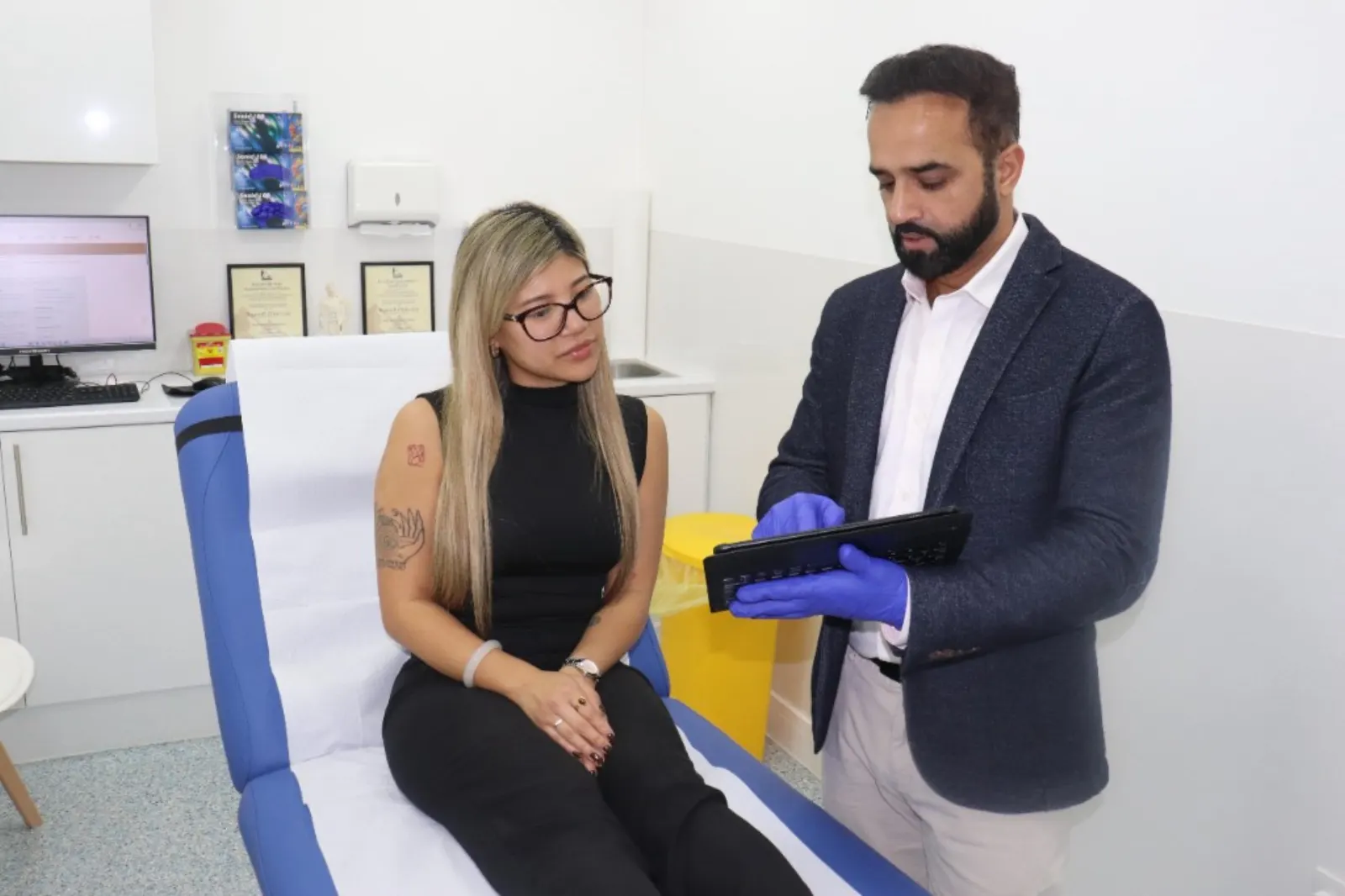
Expand clinical curiosity. Examine complementary practice critically. Hold informed conversations with patients.
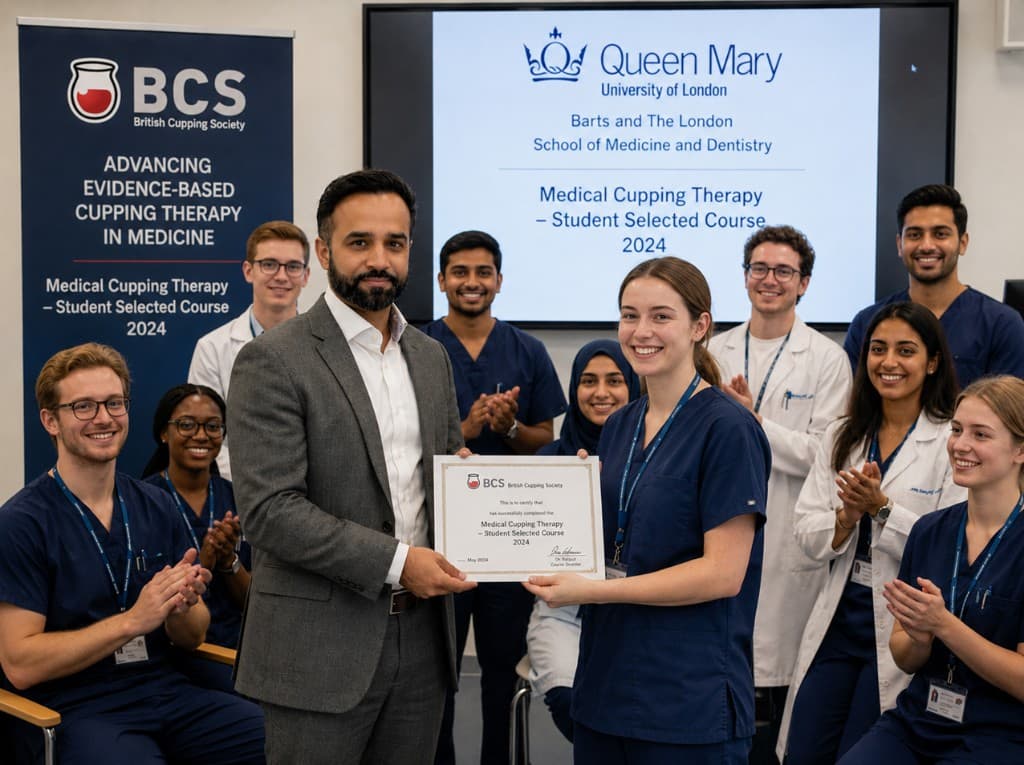
The British Cupping Society (BCS) offers Medical Cupping Therapy SSCs designed to sit alongside undergraduate medical studies and give students a structured introduction to a widely recognised complementary therapy. The module creates space to explore the history, theory, contemporary practice, safety considerations and evolving evidence base surrounding cupping therapy - within an academically focused environment appropriate for medical learners.
Understand why patients may use cupping and develop the vocabulary to discuss complementary practice with greater confidence.
Consider proposed mechanisms, indications, limitations, contraindications, infection control, consent, governance and the importance of critical appraisal.
Gain supervised exposure to the principles and techniques used in professional cupping practice, with emphasis on safe, responsible standards.
Explore how complementary approaches intersect with patient choice, cultural practice, public health, regulation and multidisciplinary care.
98%
student satisfaction
In a recent student survey at Queen Mary University of London’s medical school, students reported 98% satisfaction with the SSC delivered by the British Cupping Society.
BCS courses have benefited medical students and medical professionals for more than 20 years, including learners associated with:
The British Cupping Society is a specialist organisation in the medical cupping field with an established international presence. Its work with higher education institutions, medical professionals and health-sector stakeholders reflects a longstanding commitment to education, professional standards and the responsible development of complementary medical practice.
For medical schools, a BCS SSC/SSM offers a distinctive way to broaden elective curricula while retaining academic rigour. Modules can support institutional aims around student choice, patient-centred care, evidence appraisal, professionalism and understanding of therapies encountered in real-world clinical conversations. BCS also welcomes opportunities for educational collaboration, curriculum development, research dialogue and initiatives that contribute to appropriate standardisation.